
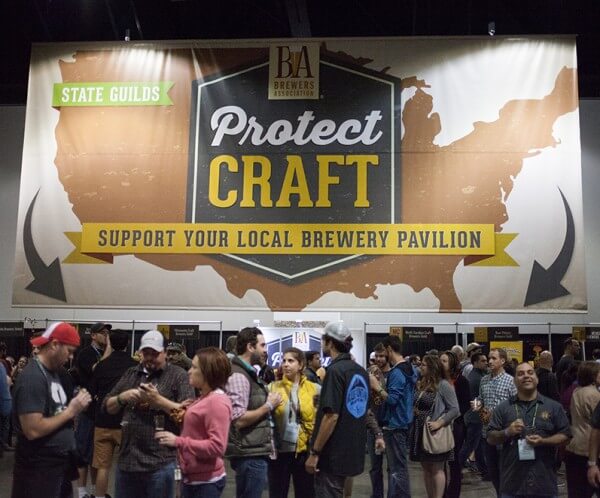
Just a few years ago, craft beer was riding a high. Local breweries were popping up on every corner, IPA menus grew longer by the week, and beer festivals overflowed with flannel-clad fans seeking the next juicy pour. But lately, the foam is settling. Sales are down, brewery closures are up, and even longtime enthusiasts are asking: what’s happened to craft beer?
1. Market Saturation: Too Much of a Good Thing
At the peak of the boom, there were over 9,000 breweries in the U.S. alone. The problem? Many of them offered similar products: hop-forward IPAs, sours, stouts with quirky names and eye-catching labels. With so many options, consumers became overwhelmed—or worse, indifferent. As choice fatigue set in, novelty stopped being a selling point.
2. Changing Tastes: The Rise of RTDs and Sober Curiosity
The craft beer scene once captured the adventurous drinker. Today, that same demographic is flirting with canned cocktails, hard seltzers, non-alcoholic brews, and even a return to wine. Millennials and Gen Z drink less alcohol overall, and when they do drink, many are seeking lighter, lower-ABV options that align with wellness trends.
3. Economic Pressures: Not So Small Business Anymore
Inflation has hit breweries hard—from hops and malt to aluminum cans and labor costs. Craft beer has always been more expensive than macro brews, but in a tighter economy, even loyal fans are choosing affordability over allegiance. Meanwhile, supply chain issues and rising rent have shuttered many smaller taprooms that once thrived on community support.
4. Identity Crisis: Has Craft Beer Lost Its Edge?
Craft beer built its reputation on authenticity, experimentation, and rebellion against Big Beer. But as major conglomerates began buying up beloved microbreweries, the line between “craft” and “corporate” blurred. Some die-hard fans now see the industry as commercialized and stale—less about community, more about quarterly growth.
5. The Pandemic Hangover
COVID-19 delivered a serious blow to on-premise sales and forced many breweries to pivot to packaging and distribution overnight. For some, that meant surviving. For others, it marked the beginning of a slow decline. As foot traffic returned, not all customers did—habits had changed.
Where Does Craft Beer Go From Here?
This downturn isn’t necessarily a death sentence. Some breweries are adapting by embracing hyper-local models, diversifying into other beverages, or investing in taproom experiences rather than mass distribution. The breweries that survive may be smaller, nimbler, and more focused.
The craft beer bubble may have burst, but from the foam of this downturn, a new wave of creativity and sustainability could rise. For now, the industry must face a sobering truth: being different isn’t enough. It also has to matter.